About
Hamed Safi
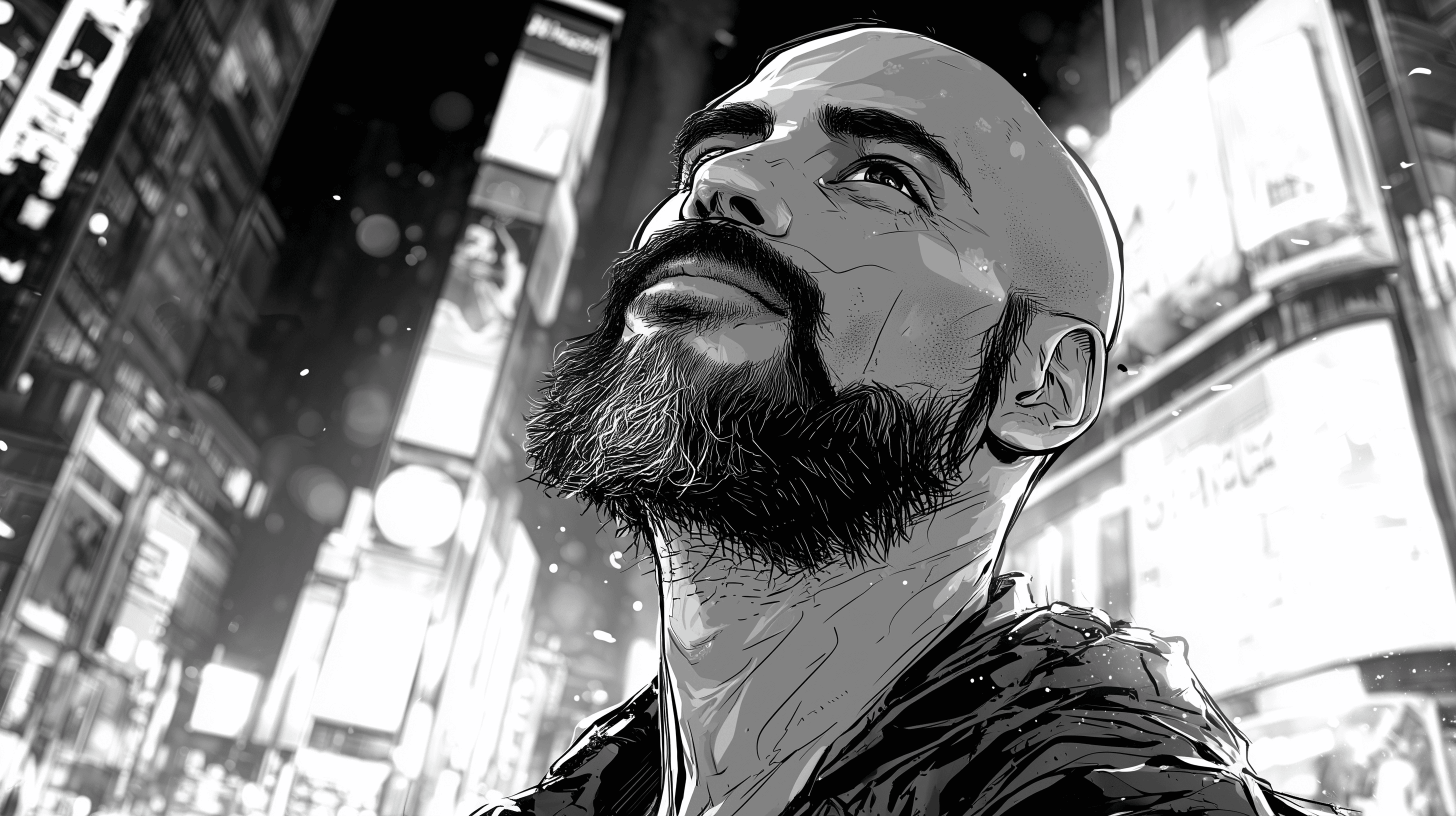
I've spent many years designing products that live at the harder end of the spectrum. Crypto platforms, immersive 3D learning worlds, enterprise dashboards, fintech tools, gaming interfaces, real estate marketplaces. The kind of products where the problem space is genuinely complicated and the design has to make it feel like it isn't.
I started in visual design and grew into product thinking over time, which means I care equally about how something looks and how it actually works for the person using it. That combination matters more than people realize. A beautiful product that confuses its users is just expensive decoration.
These days I work with founders, product teams, and companies who need someone that can hold the full picture. Brand, UX, design systems, cross-platform consistency, and the kind of long-term design thinking that doesn't fall apart six months after launch.
About
I've spent many years designing products that live at the harder end of the spectrum. Crypto platforms, immersive 3D learning worlds, enterprise dashboards, fintech tools, gaming interfaces, real estate marketplaces. The kind of products where the problem space is genuinely complicated and the design has to make it feel like it isn't.
I started in visual design and grew into product thinking over time, which means I care equally about how something looks and how it actually works for the person using it. That combination matters more than people realize. A beautiful product that confuses its users is just expensive decoration.
These days I work with founders, product teams, and companies who need someone that can hold the full picture. Brand, UX, design systems, cross-platform consistency, and the kind of long-term design thinking that doesn't fall apart six months after launch.
About
I've spent many years designing products that live at the harder end of the spectrum. Crypto platforms, immersive 3D learning worlds, enterprise dashboards, fintech tools, gaming interfaces, real estate marketplaces. The kind of products where the problem space is genuinely complicated and the design has to make it feel like it isn't.
I started in visual design and grew into product thinking over time, which means I care equally about how something looks and how it actually works for the person using it. That combination matters more than people realize. A beautiful product that confuses its users is just expensive decoration.
These days I work with founders, product teams, and companies who need someone that can hold the full picture. Brand, UX, design systems, cross-platform consistency, and the kind of long-term design thinking that doesn't fall apart six months after launch.
My process
How I actually work.
Clear thinking. Clean execution. Real results.
Step 1
Understand before designing
I live in the problem, AI helps me synthesize research, map needs, and pressure-test assumptions fast.
Step 2
Step 1
Explore more than you'd expect
AI-assisted ideation means I explore ten directions before you see one. Everything filtered, nothing wasted.
Step 3
Step 1
Design with the system in mind
Every component built to scale. I'm thinking about the developer, the roadmap, and six months from now.
Step 4
Step 1
Stay in it through delivery
From first frame to final build, I stay involved. Reviewing, refining, making sure nothing gets lost in translation.
Latest works
Product Design, UI Design, System Architect, Unreal Engine, Game Design
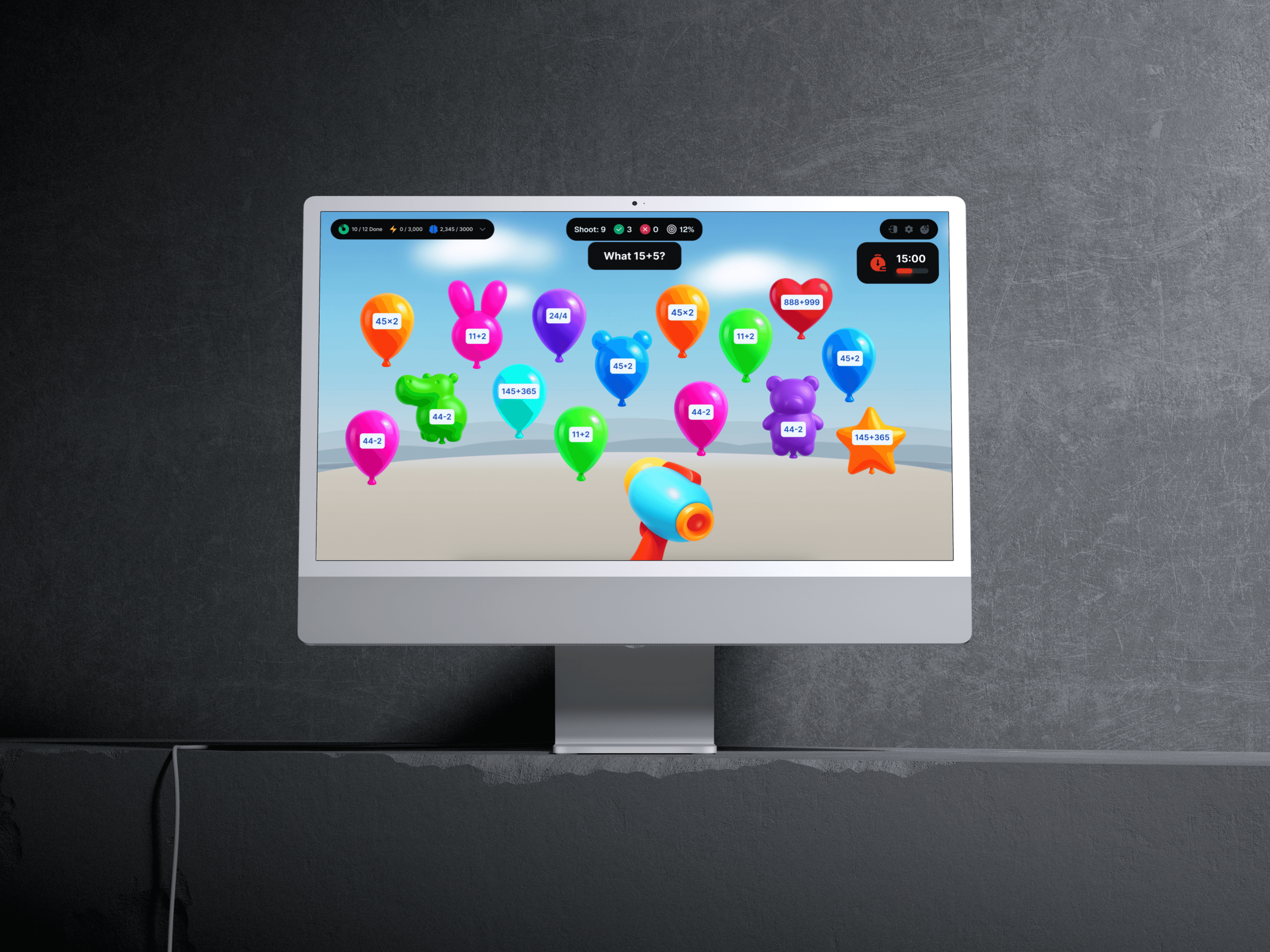
Immersive Learning
Product Design, UI Design, System Architect
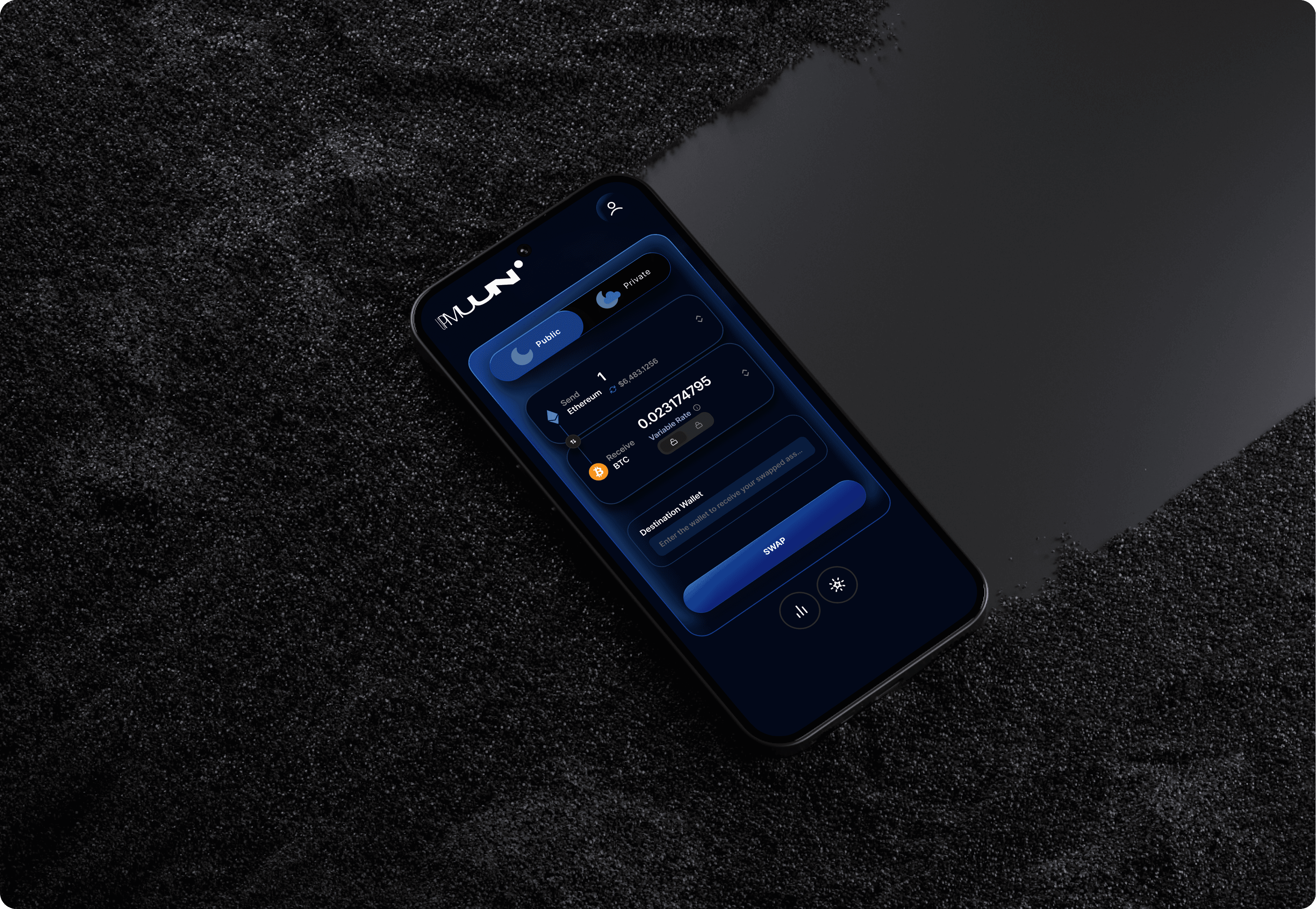
AI-Powered Crypto
Ui Design, UX Design, Product Design
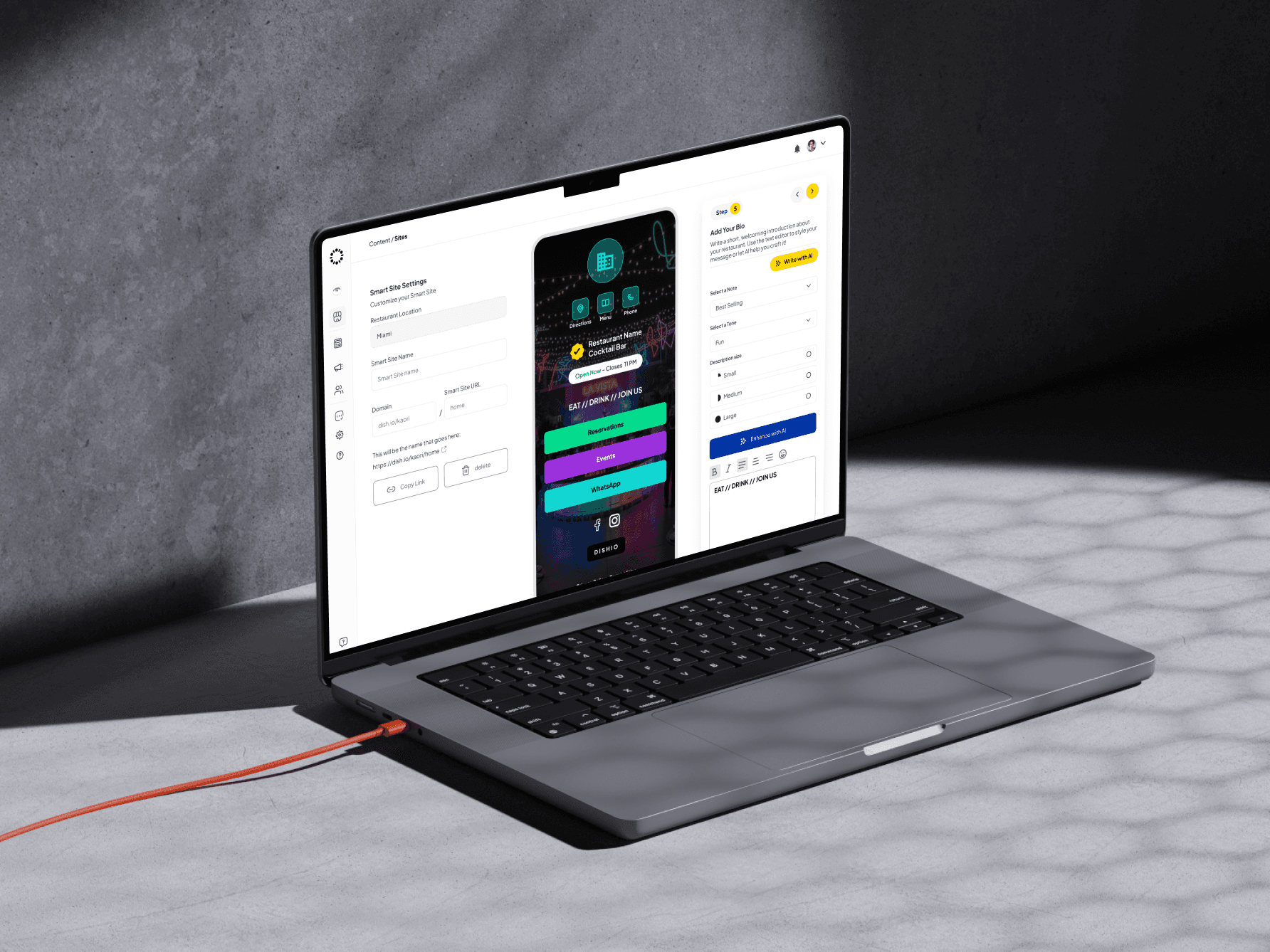
AI-Powered Marketing
Product Design, UI Design
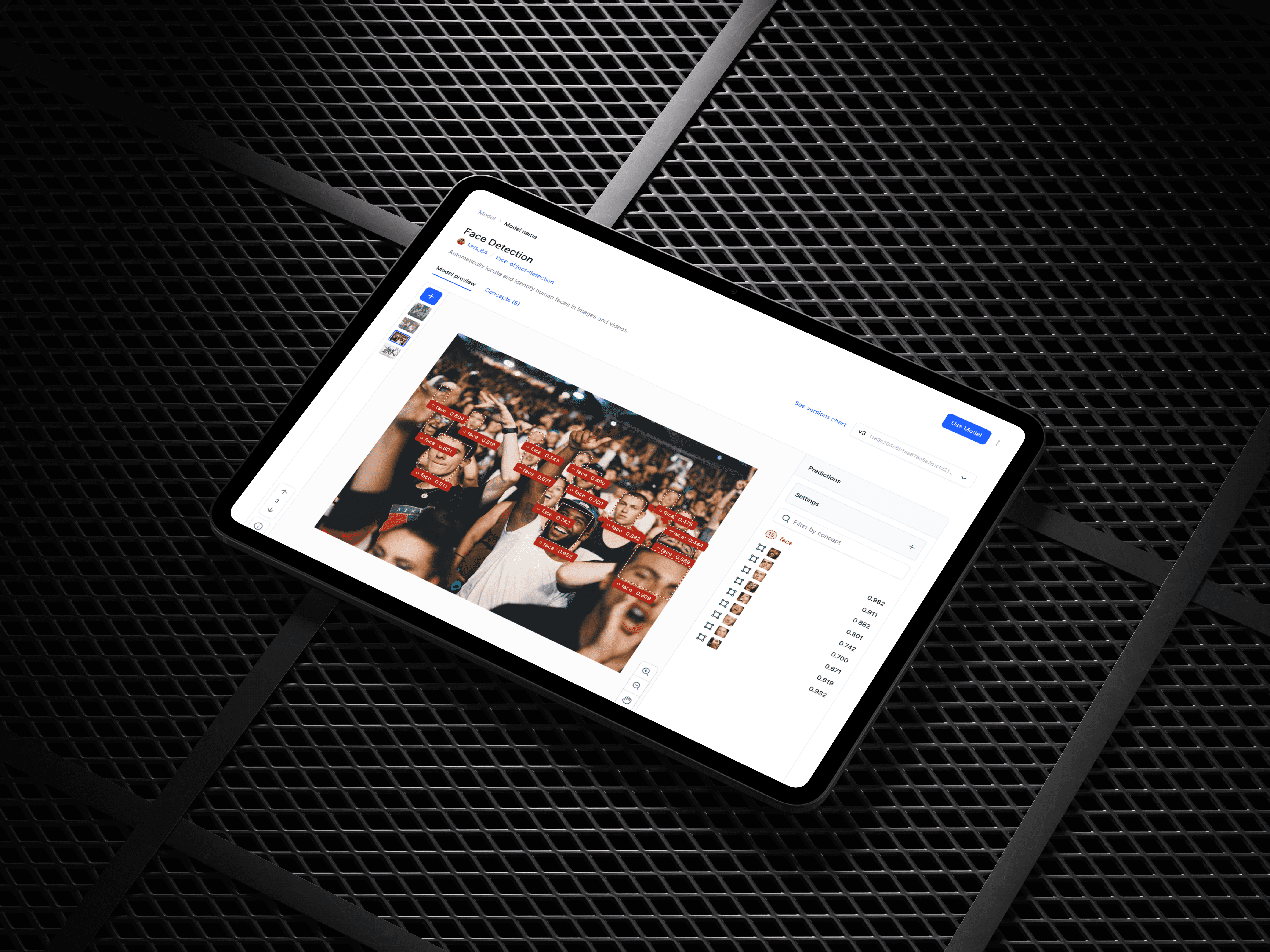
Enterprise AI
Product Design, UI Design, Design System
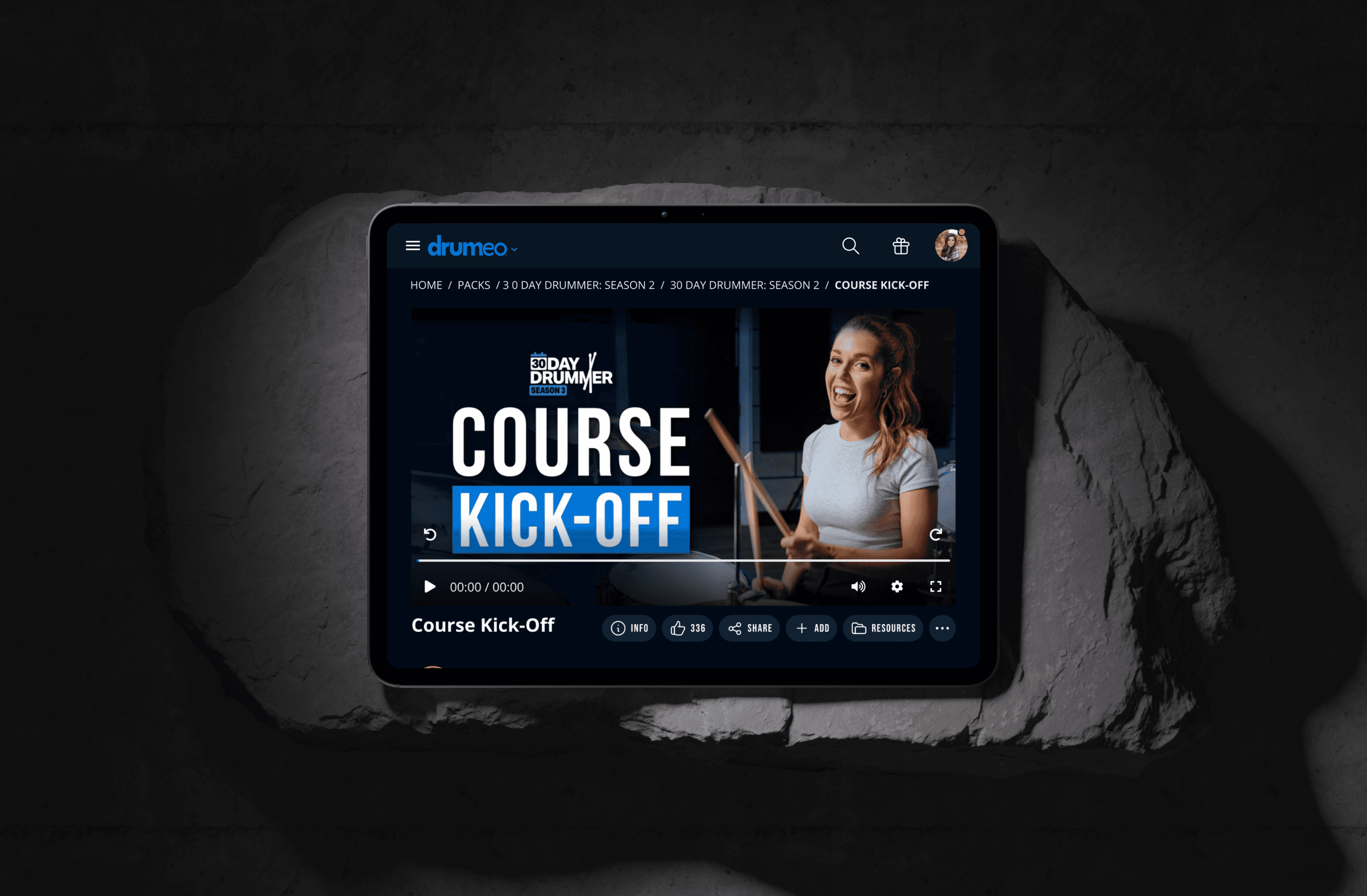
Music Learning App
Product Design, Design System
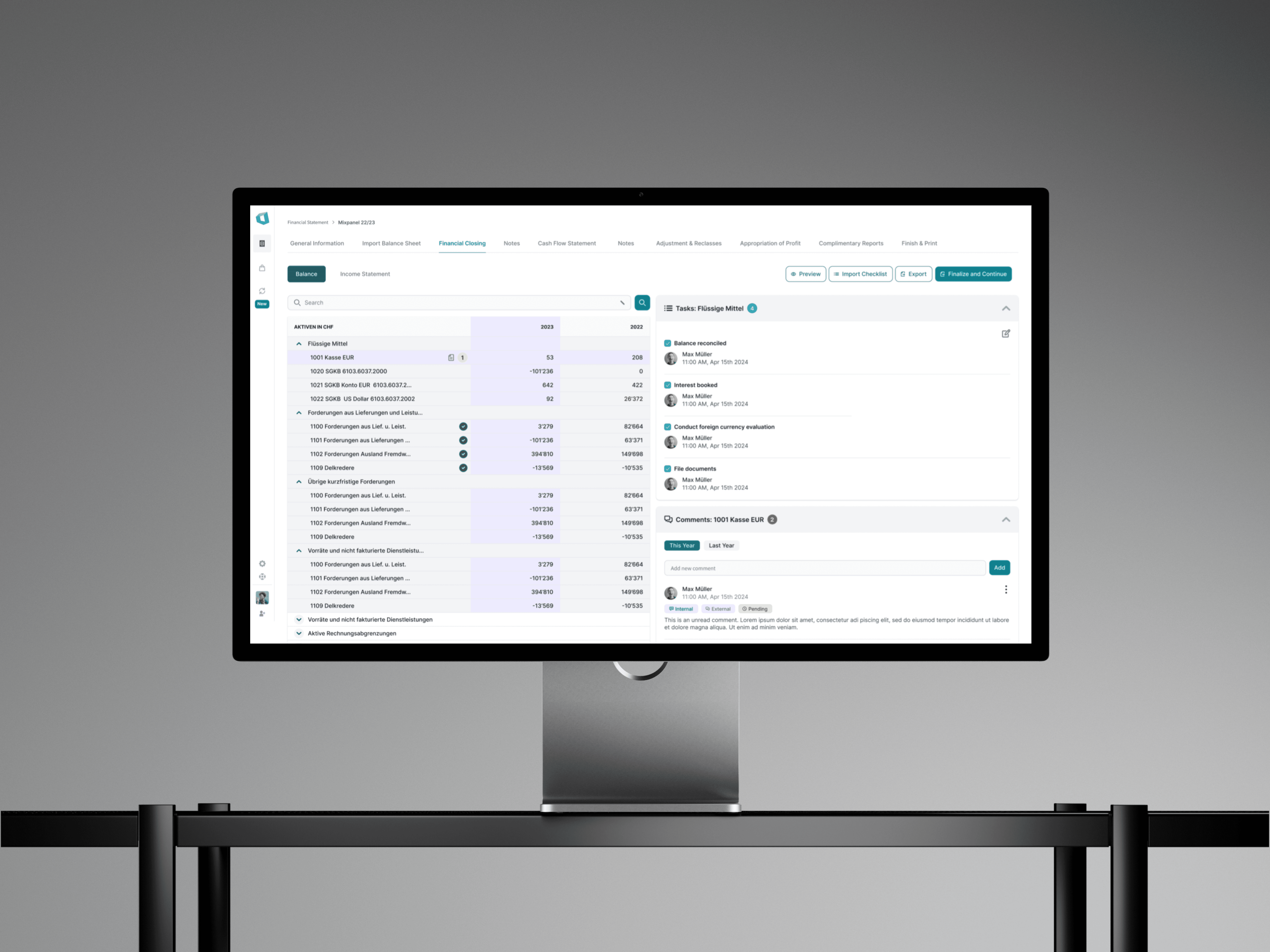
Financial Accounting
Product Design, UI Design, Design System
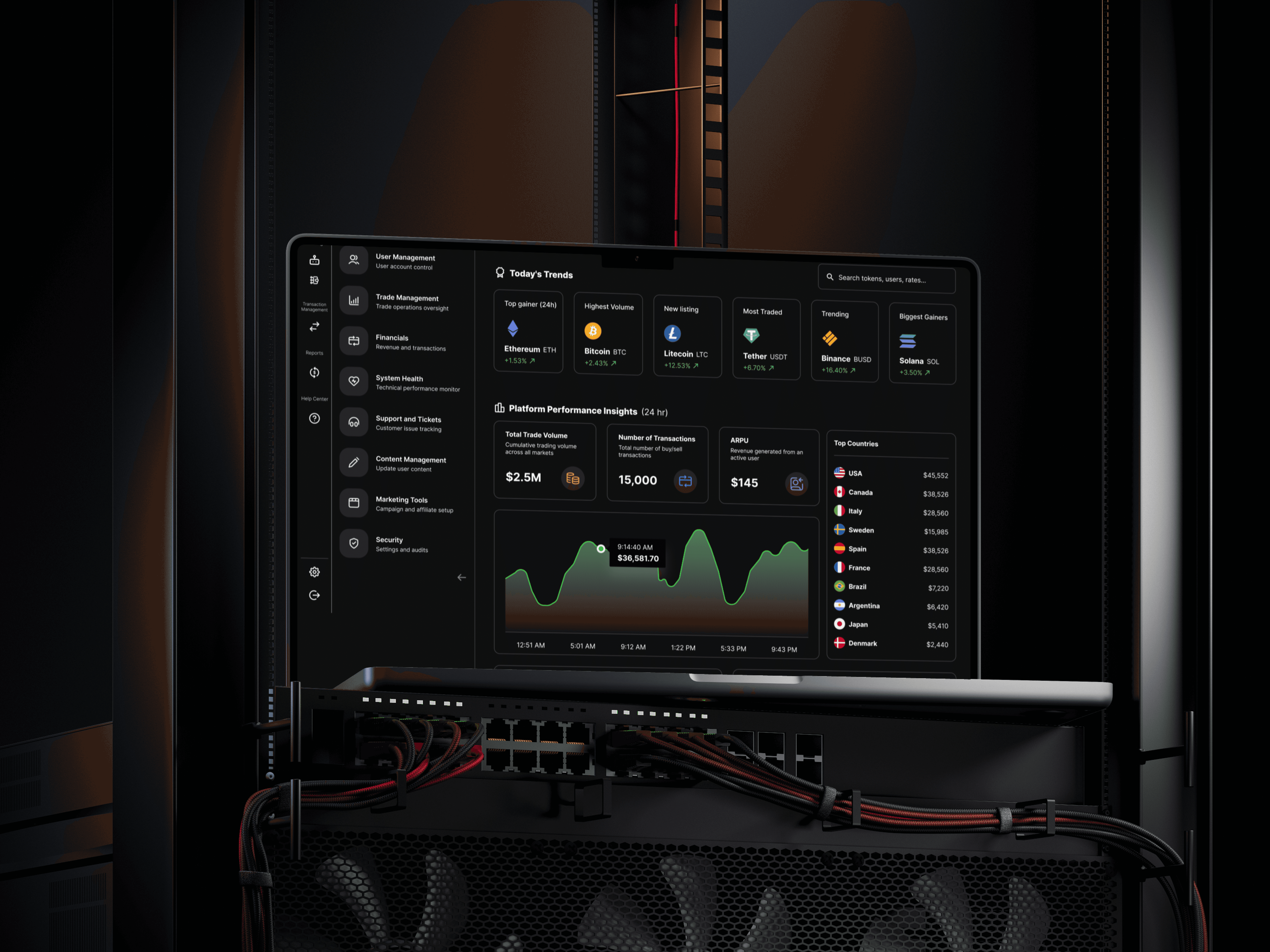
Defi Trading
UI Design, Design System
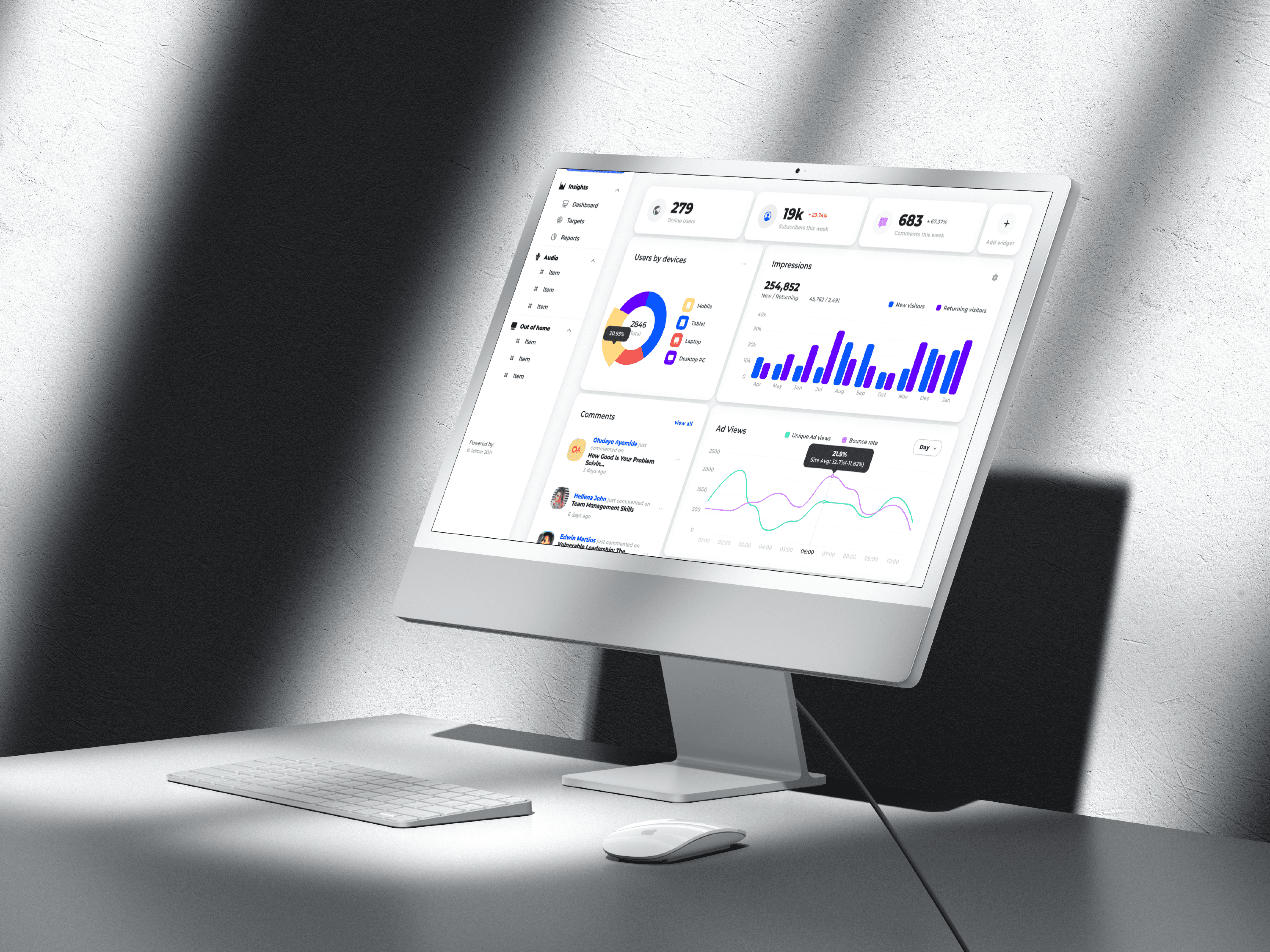
Ads & Media
Product Design, UI Design
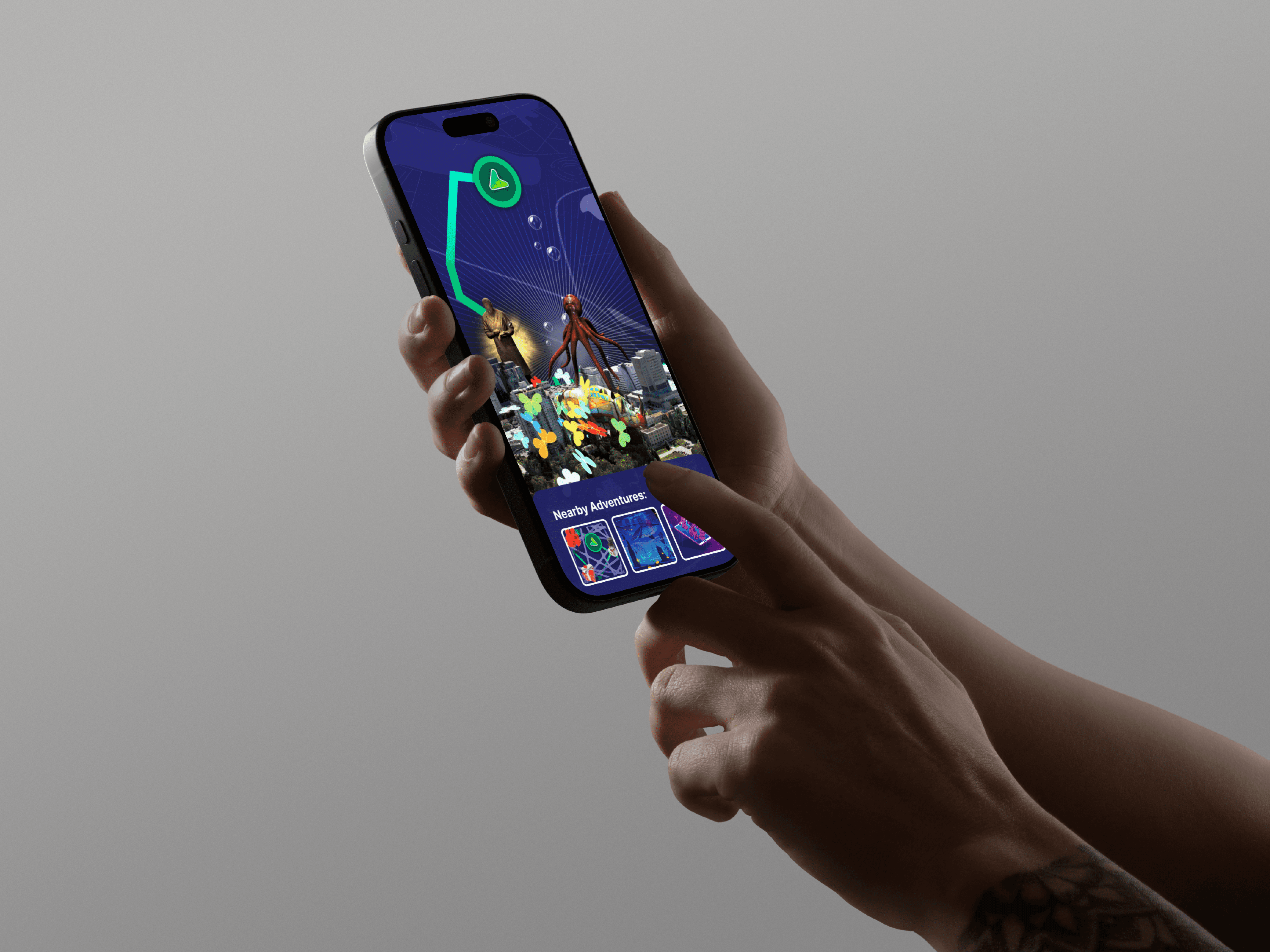
Augmented Reality
Product Design, Design System
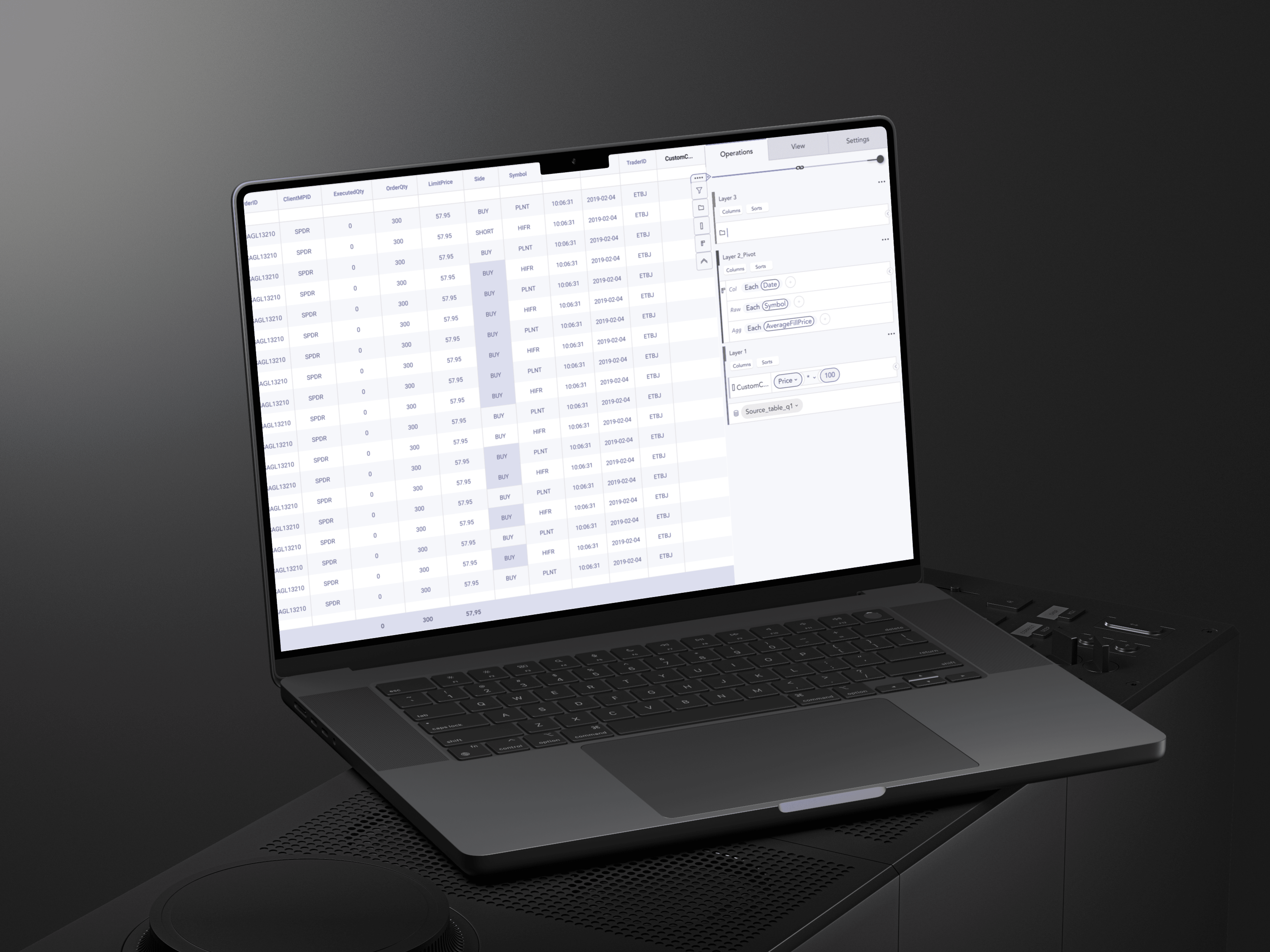
Trading Technology
Product Design, UI Design, System Architect, Unreal Engine, Game Design
Immersive Learning
Product Design, UI Design, System Architect
AI-Powered Crypto
Ui Design, UX Design, Product Design
AI-Powered Marketing
Product Design, UI Design
Enterprise AI
Product Design, UI Design, Design System
Music Learning App
Product Design, Design System
Financial Accounting
Product Design, UI Design, Design System
Defi Trading
UI Design, Design System
Ads & Media
Product Design, UI Design
Augmented Reality
Product Design, Design System
Trading Technology